Jar A
Witch of the Woods
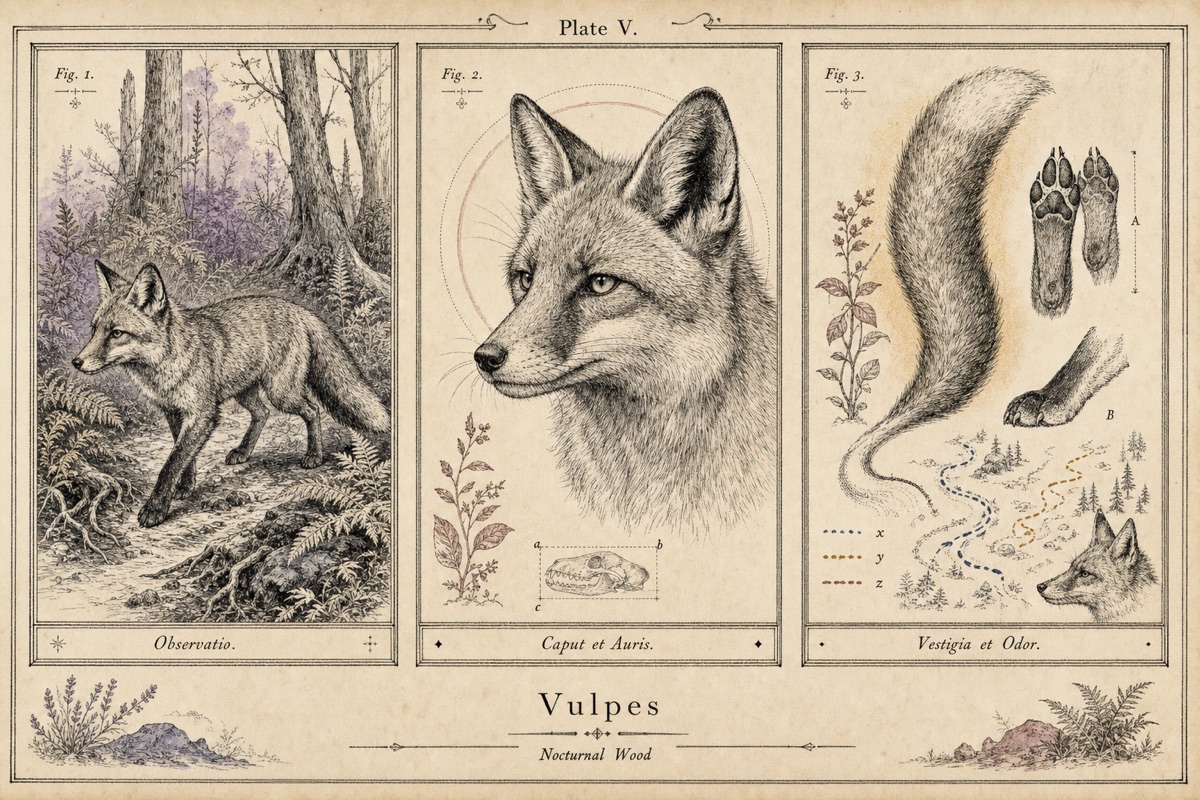
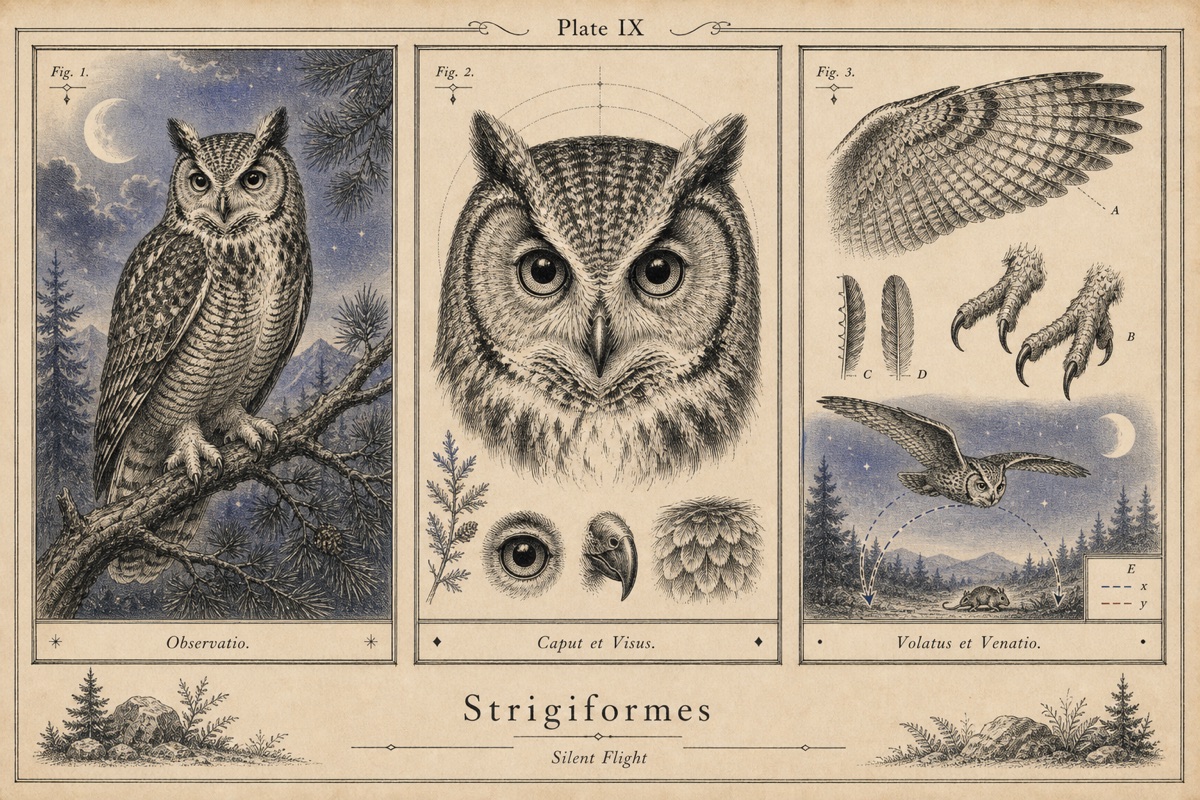
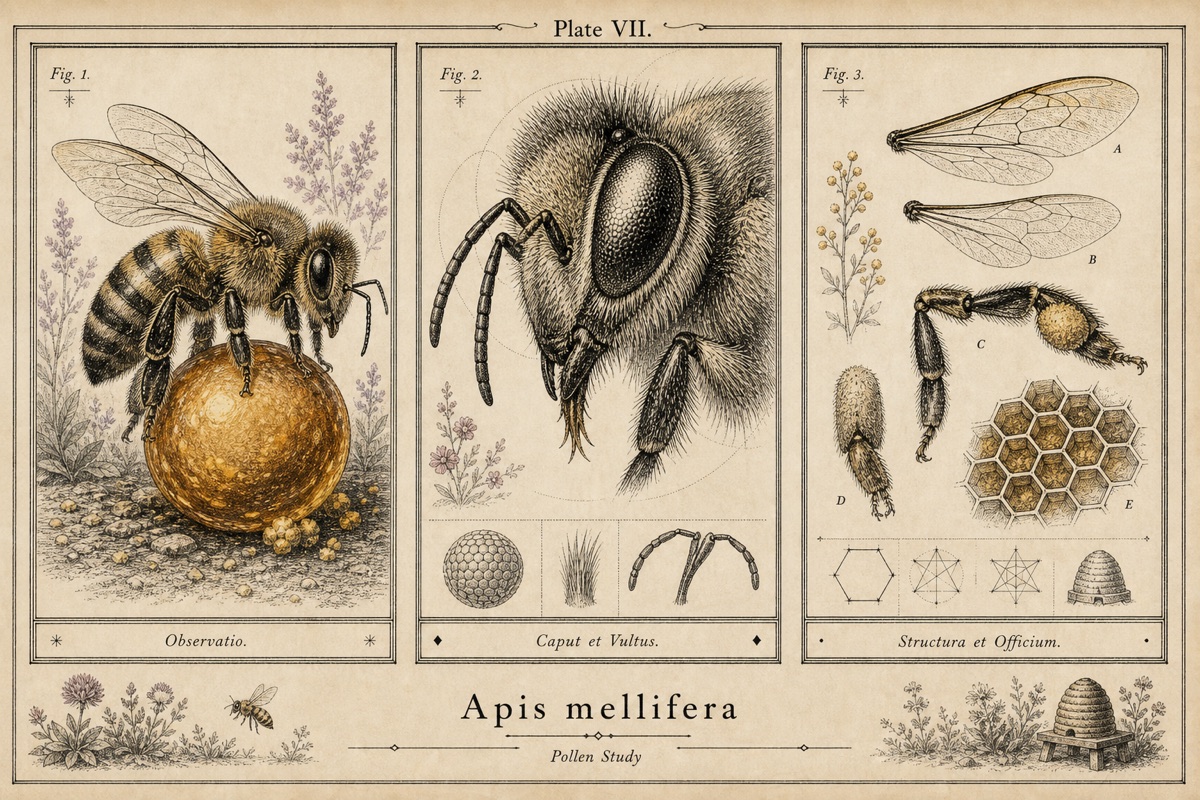
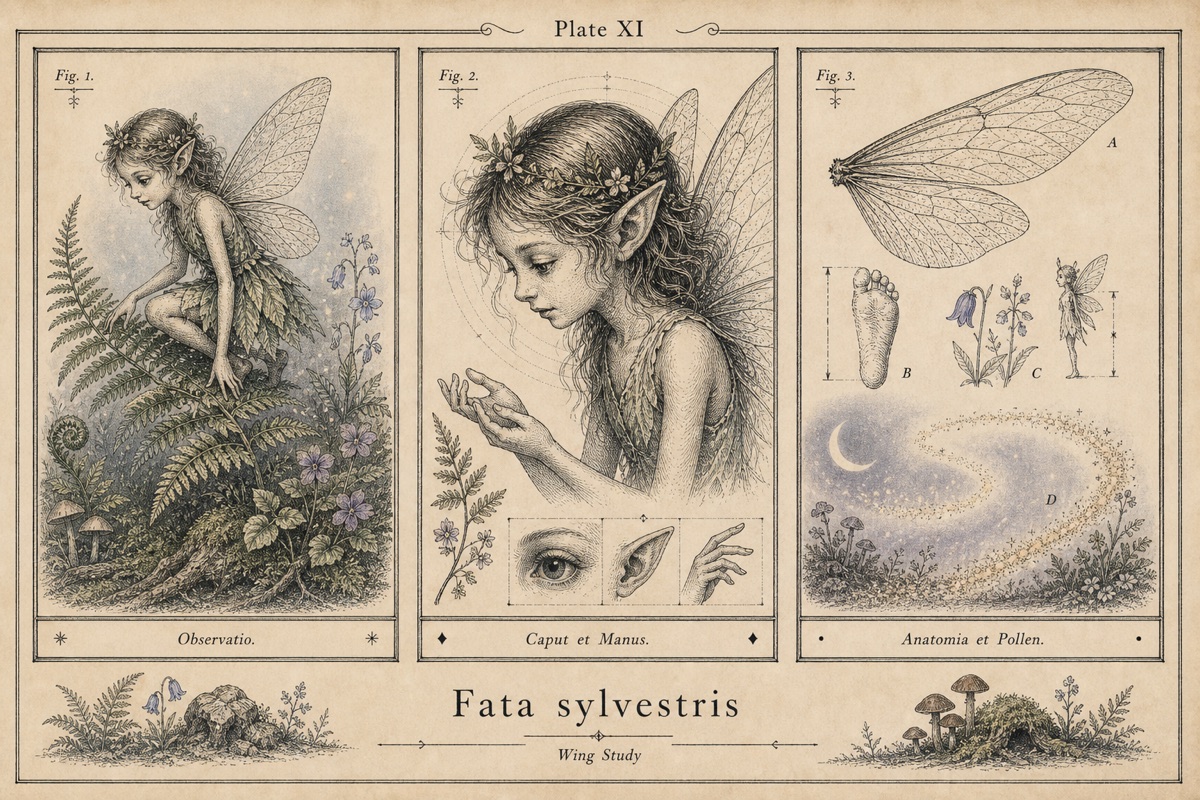
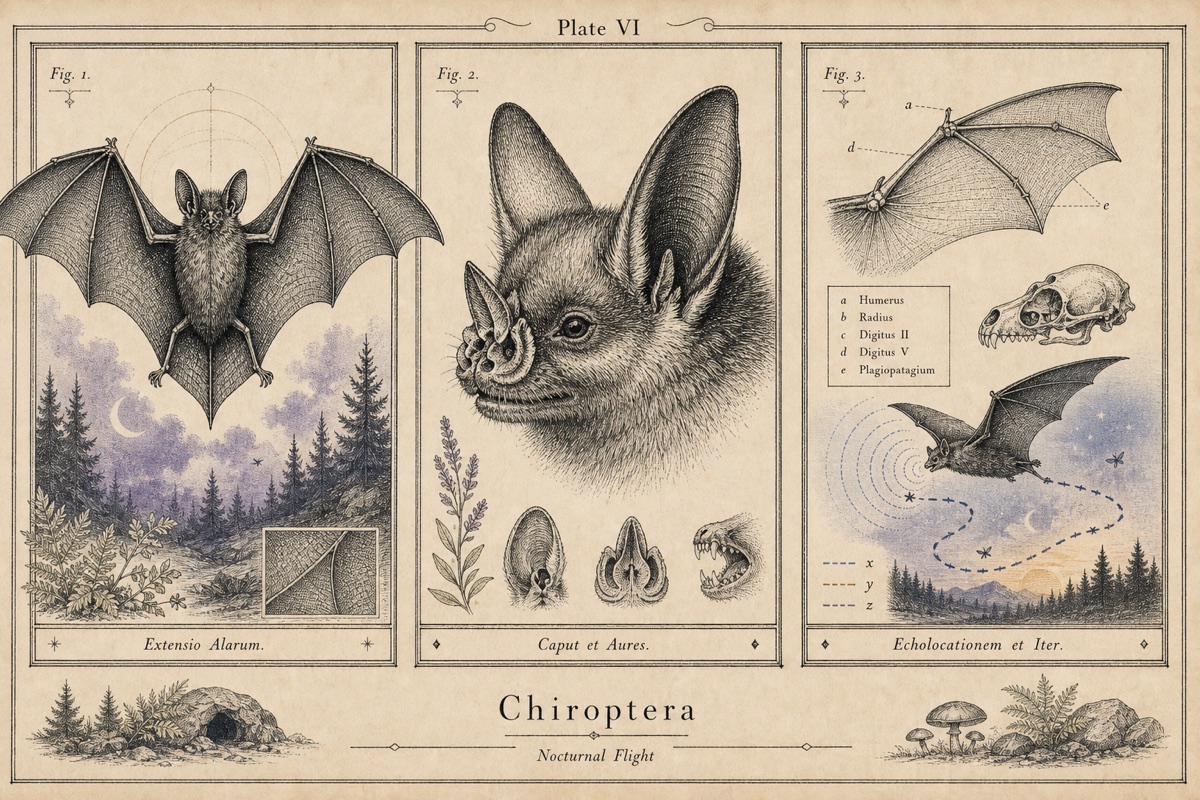
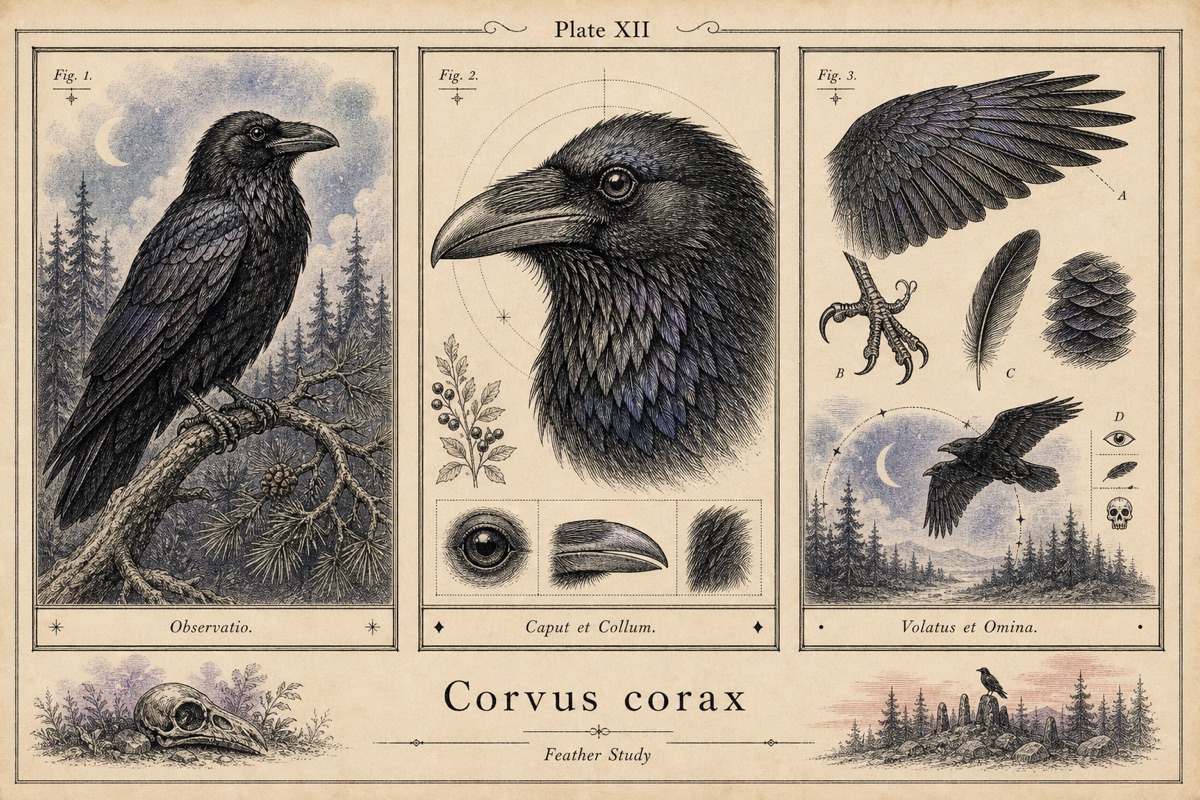
A supernatural forest game for Apple devices, currently being discovered through playable slices, creature plates, and field-note fiction.
Liminal Laboratory
A small public sign while the proper apparatus is being assembled.
Door plate no. 001
Liminal Laboratory is where we are forging Witch of the Woods, a whimsical Apple-first game about maps, moss, familiar creatures, and the suspicious manners of old forests.
This is a placeholder with clean shoes: light enough to stand in public, sturdy enough to grow into a devlog, press kit, creature index, and launch archive.
Liminal Lyceum is reserved for lore systems and worldbuilding tools. This door belongs to the Laboratory and its first forest experiment.
On the bench
Jar A
A supernatural forest game for Apple devices, currently being discovered through playable slices, creature plates, and field-note fiction.
Jar B
The macOS workbench for shaping worlds before they travel to the phone: USD scenes, asset checks, and a tidy place for strange ideas to become testable.
Jar C
A future library for lore, entities, attributes, and searchable bestiaries. The shelves are still being measured; no ladders have yet vanished.
Specimen shelf
Dispatch
The site is intentionally simple for now. The next public additions should be a short devlog, a proper studio note, and a real way to follow test builds when the forest is ready for visitors.
Until then, the field notes are the best doorway into the tone of the game.